Facebook
 Google
 GitHub
 Linkedin

It is often the case that different polarities are used for different aspects of a problem. The classic example is nodal analysis, in which each node equation is traditionally analyzed with the currents defined so that they are flowing out of the node.also to prove the point on how screwed up this is, as you said there is no consistency in the book.
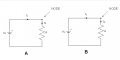
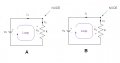
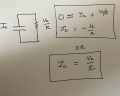
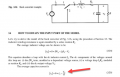
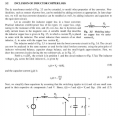
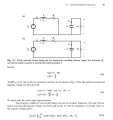
In one section they define current into the node as negative and out of the node as positive as you showed in your example.
but In the same problem they show it the opposite
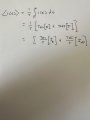
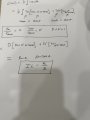
View attachment 321106
this is what is so infuriating
they book seems to have no consistency even within the same problem!
so how could themath possibly close
But the current flowing out of one node is flowing into the next. Yet when you analyze the next node, you analyze it with the currents flowing out of it.
In essence, you have local current definitions that only apply to that part of the analysis and are understood to not apply to any other part of the analysis. But symbolic parameters that are defined at the overall problem level should be used consistently throughout the work.
I would have to see exactly how the book presents the work to see whether they are being inconsistent, or whether they are following an analysis convention that they have established.
If the book is being too sloppy in this regard, you have two options. Take the time to reverse engineer what they are doing at each step of the process, or get a different book. I have several texts, in a variety of subjects, that I have set aside because the authors were so sloppy that it rose above my tolerance threshold.