OP AMP SIMULATION - LTSPICE

Status
Not open for further replies.

Thread Starter

linhvn

Joined Nov 6, 2024
297
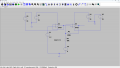
I tried to simulation this op amp circuit in LTspice, but I dont really understand the pin V+ and V- of op amp, are these pins must be connected to an external dc source and the dc source value is optional, right?. And what is the function of V+ and V- pins? 1733892990228.png
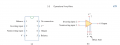


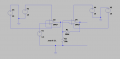
2, I tried to simulated this circuit below but I am don't understand 1 thing that , do I need to choose correct type of op amp because I see different names in Ltspice? Do they have different gain factor?? And The external Dc source value for op amp is optional, right? 15V, or 16 V or even 50v is okay??

+, original circuit 1733893170612.png
+, simulated circuit in LTspice
1733893862408.png
 

Attachments

WBahn

Joined Mar 31, 2012
32,823
Opamps are active circuits that need power in order to function -- the V+ and V- are the power supply connections.

Different opamps have different power requirements and limitations, so you need to check the datasheet for the particular opamp you are using.

For most of your homework stuff, you can probably get by using almost any opamp in the LTSpice library.
 

Thread Starter

linhvn

Joined Nov 6, 2024
297
Opamps are active circuits that need power in order to function -- the V+ and V- are the power supply connections.

Different opamps have different power requirements and limitations, so you need to check the datasheet for the particular opamp you are using.

For most of your homework stuff, you can probably get by using almost any opamp in the LTSpice library.
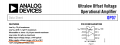
I just found datasheet of OP 07 , are V+ and V- meant for wide supply voltage range: +-3v to +-18V , it means that if I supply 19V then OP 07 will not work??1733895798994.png
 

WBahn

Joined Mar 31, 2012
32,823
I just found datasheet of OP 07 , are V+ and V- meant for wide supply voltage range: +-3v to +-18V , it means that if I supply 19V then OP 07 will not work??View attachment 337704
Take the "Features" section of the datasheet (and almost all datasheets seem to have it) with a grain of salt -- they are primarily a marketing blurb, but they do serve as a quick look at the features that the manufacturers think stand out.

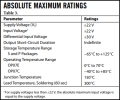
You want to look at the Absolute Maximum Ratings to see what the device is guaranteed to tolerate (sometimes with caveats) without damage.

1733896712947.png

But the primary thing you want to focus on are the specs under normal operation. Try to design your circuit so that it operates within those bounds, because performance against those specs is usually not guaranteed if you are significantly outside of them.

1733896775069.png

Get used to looking at datasheets. A lot of the information there will be meaningless to you at first -- heck, quite a bit of it will be meaningless to you decades from now because it will be stuff that just never ended up being relevant to what you do. But things like the large-signal voltage gain, input voltage limits, output voltage swing, slew rate, output resistance, maximum output current, and bandwidth are things that you will likely want to become familiar with pretty quickly. Other parameters can largely wait until you have a need to take them into account -- which will often not become apparent until something doesn't work because you needed to take them into account and didn't.
 
Status
Not open for further replies.
Top