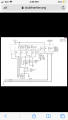
Your right that would work, id have to pull more schematics from my truck. I will go search the nissan forumsActually do you have separate fuses for DRL and headlights? May be a case of just pulling a fuse to get it to at least look right.
Yes my relay is grounded straight from the battery terminal. Thats an interesting thought thanks for your input! Whats your adviceWoke up and had a thought. Is your relay grounded through the headlight ground wire or to a body ground or battery itself. A diode acts as a one way valve and with the relay connected to the headlight ground would prevent any power from flowing when the DRLs are active.
If the relay ground is connected to the battery or body ground the diode would drop at least a half a volt across it which would probably be enough to keep the relay from working since with the DRLs it would only be getting around 7 volts to start with. Something didn't add up earlier and I couldn't quite figure it out at the time.
That actually explains why the left head light goes out when you disconnect the diode. I wasn't visualizing the circuit the right way. Basically the diode isn't actually doing what it was meant to do in the first place. If you wire the relay between the high beam and ground on the headlight itself the diode will act as a one way valve and the relay will only work when your high beams are on, but block power with the DRLs being reverse polarity. By connecting the relay directly to battery ground the diode acts as a voltage drop and your relay is still getting powered, but just not enough now to turn it on as it did before with the DRLs.Yes my relay is grounded straight from the battery terminal. Thats an interesting thought thanks for your input! Whats your advice
Those both seem like good solutions. To even go a simpler rout can i pull the fuse? I think itd be fuse 45? Or would that mess with the other components of the circuit?That actually explains why the left head light goes out when you disconnect the diode. I wasn't visualizing the circuit the right way. Basically the diode isn't actually doing what it was meant to do in the first place. If you wire the relay between the high beam and ground on the headlight itself the diode will act as a one way valve and the relay will only work when your high beams are on, but block power with the DRLs being reverse polarity. By connecting the relay directly to battery ground the diode acts as a voltage drop and your relay is still getting powered, but just not enough now to turn it on as it did before with the DRLs.
Now it makes sense.
As @LesJones mentioned you could possibly add a resistor across the left headlight wires and restore your DRLs, but if you really don't want them then don't bother. You may end up with an under voltage or under current situation and kill the headlights faster in the long run. They are probably designed for 11+ Volts and depending on the regulator design under powering them could make things heat up more than they should.
After all i dont mind if i dont have drls is there a way to pull the drl fuse?Those both seem like good solutions. To even go a simpler rout can i pull the fuse? I think itd be fuse 45? Or would that mess with the other components of the circuit?