Facebook
 Google
 GitHub
 Linkedin
Hi All.
This is the second rev of this board. First rev didn't have this problem whatsoever. After months of use and abuse.
The second rev didn't change this circuit. So far, 3 out of 5 boards that i have brought up had one or more of these capacitors shorted out.
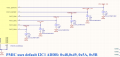
The pmic is: TPS65931211RWERQ1
The caps are: CL03A225MP3CRNC
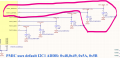
So far the shorted caps have been on pins 2 and 3, VOUT_LDOVINT and VOUT_LDOVRTC respectively. These are 10V rated 2.2uF caps and the 1.8V LDO's are for internal loading only. These caps are the only thing connected to each pin.
My thoughts are:
Damage from assembly: While possible, I wonder why it's (so far) these 2 particular ref des.
Bridging: i didn't notice any. And when i pulled the caps off and cleaned them, they still measured about 2-8 ohm of resistance.
Bad caps: but then why so far on the three bad boards are they on the same pin. this cap is used in about 25 other places on the board.
PMIC damaging caps: Somehow the pmic internal LDO is damaging the caps. this seems unlikely, but possible.
I will be checking more samples today.
Including testing the caps before turning on for the first time.
This is the second rev of this board. First rev didn't have this problem whatsoever. After months of use and abuse.
The second rev didn't change this circuit. So far, 3 out of 5 boards that i have brought up had one or more of these capacitors shorted out.
The pmic is: TPS65931211RWERQ1
The caps are: CL03A225MP3CRNC
So far the shorted caps have been on pins 2 and 3, VOUT_LDOVINT and VOUT_LDOVRTC respectively. These are 10V rated 2.2uF caps and the 1.8V LDO's are for internal loading only. These caps are the only thing connected to each pin.
My thoughts are:
Damage from assembly: While possible, I wonder why it's (so far) these 2 particular ref des.
Bridging: i didn't notice any. And when i pulled the caps off and cleaned them, they still measured about 2-8 ohm of resistance.
Bad caps: but then why so far on the three bad boards are they on the same pin. this cap is used in about 25 other places on the board.
PMIC damaging caps: Somehow the pmic internal LDO is damaging the caps. this seems unlikely, but possible.
I will be checking more samples today.
Including testing the caps before turning on for the first time.
Attachments
-
 232.2 KB Views: 0