Facebook
 Google
 GitHub
 Linkedin

I just finished reading John Elder Robison's 'look me in the eye'. Very good read. I devoured it in one weekend - something I've never done with any book - ever.
I've always wondered about the people my wife works with (she works with children on the autism spectrum) and this book was the first book she brought home that piqued my interest because Mr. Robison was an electrical engineer that toured with KISS. Who wouldn't want to read that?!?!
Also, I'm positive that I have worked with Aspergians in the past, and will in the future. This book gave me a glimps into their world, to understand (even if only shallowly) their logical though process and lack of emotion - the majority of which makes people see Aspergians as 'weird'.
Two things stood out in the book - First, I certainly don't have Aspergers myself, but I do experience some of the traits. I can have a laser-like focus on my work - many times hours, weeks, and even months will slip by because I'm thinking continuously about the project I'm working on. I can only imagine that this is a common skill in electrical engineers that take their work seriously. I think the difference between Mr. Robison and myself is that I've had to work very hard to 'see' things in the circuits I look at. He sees it all in his head, including transfer functions, control loops, and signal flow. I know I see a lot of those things, but it has taken me 6 years of learning, and even then, I struggle to retain most of it. It sounds like Mr. Robison saw those things with very little effort.
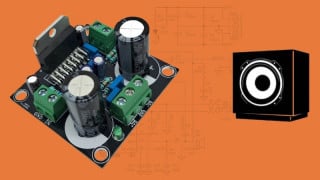
This leads to the other thing that stood out in the book, that he was a savant in his younger years designing amplifiers because when he goes back now and looks at his engineering he rarely knows what he was thinking or how to see the circuit. He lost his savant abilities in electronics. This thought is incredible to me, as I've always been under the impression that we gain long-term knowledge as we age. To that effect, Mr Robison believes that his brain has continued to evolved as he's aged, and suspects that all of our brains do this.
All that said, I have many questions (probably most of which can't be answered at this time in history). But this book opened those questions to me and gave me an appreciation for the disorder and the work that my wife does to improve Aspergian quality of life.
I've always wondered about the people my wife works with (she works with children on the autism spectrum) and this book was the first book she brought home that piqued my interest because Mr. Robison was an electrical engineer that toured with KISS. Who wouldn't want to read that?!?!
Also, I'm positive that I have worked with Aspergians in the past, and will in the future. This book gave me a glimps into their world, to understand (even if only shallowly) their logical though process and lack of emotion - the majority of which makes people see Aspergians as 'weird'.
Two things stood out in the book - First, I certainly don't have Aspergers myself, but I do experience some of the traits. I can have a laser-like focus on my work - many times hours, weeks, and even months will slip by because I'm thinking continuously about the project I'm working on. I can only imagine that this is a common skill in electrical engineers that take their work seriously. I think the difference between Mr. Robison and myself is that I've had to work very hard to 'see' things in the circuits I look at. He sees it all in his head, including transfer functions, control loops, and signal flow. I know I see a lot of those things, but it has taken me 6 years of learning, and even then, I struggle to retain most of it. It sounds like Mr. Robison saw those things with very little effort.
This leads to the other thing that stood out in the book, that he was a savant in his younger years designing amplifiers because when he goes back now and looks at his engineering he rarely knows what he was thinking or how to see the circuit. He lost his savant abilities in electronics. This thought is incredible to me, as I've always been under the impression that we gain long-term knowledge as we age. To that effect, Mr Robison believes that his brain has continued to evolved as he's aged, and suspects that all of our brains do this.
All that said, I have many questions (probably most of which can't be answered at this time in history). But this book opened those questions to me and gave me an appreciation for the disorder and the work that my wife does to improve Aspergian quality of life.