Facebook
 Google
 GitHub
 Linkedin
Hey All,
I wanted to see if I could get some advise on how to get my two power walls to fire up my AC condenser.
Here is the spec sheet on the power walls:
https://www.tesla.com/sites/default.../Powerwall 2_AC_Datasheet_en_northamerica.pdf
They're rated for 5kW output continuous and 7kW peak each.
I have two, so in theory the figures should be doubled to 10kW and 14kW
Here is the nameplace on the compressor:
https://photos.app.goo.gl/9HafSsFTEBy1Kczi6
It lists a RLA of 25.0 and a LRA of 148.
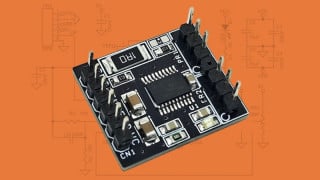
I have already equipped the condenser with a soft starter, which I was hoping would fix the issue but it hasn't:
http://www.hypereng.com/single_phase.html
The model I fitted was the
In my mind there are two paths to walk down to figure this out:
1) Can I replace the soft starter with a VFD to reduce starting current even more
2) Is there a wiring issue or something else that can be changed that would prevent the voltage from sagging as much.
According to the spec sheets the two power walls should be able to fire this thing up, but I'm unsure on where to start the debug process.
I wanted to see if I could get some advise on how to get my two power walls to fire up my AC condenser.
Here is the spec sheet on the power walls:
https://www.tesla.com/sites/default.../Powerwall 2_AC_Datasheet_en_northamerica.pdf
They're rated for 5kW output continuous and 7kW peak each.
I have two, so in theory the figures should be doubled to 10kW and 14kW
Here is the nameplace on the compressor:
https://photos.app.goo.gl/9HafSsFTEBy1Kczi6
It lists a RLA of 25.0 and a LRA of 148.
I have already equipped the condenser with a soft starter, which I was hoping would fix the issue but it hasn't:
http://www.hypereng.com/single_phase.html
The model I fitted was the
- SS1B16-32SN (230V, 60/50Hz, 16-32 FLA)
In my mind there are two paths to walk down to figure this out:
1) Can I replace the soft starter with a VFD to reduce starting current even more
2) Is there a wiring issue or something else that can be changed that would prevent the voltage from sagging as much.
According to the spec sheets the two power walls should be able to fire this thing up, but I'm unsure on where to start the debug process.