It may be a niggling point but the "ground" for the µC can be different than the motor ground, and that's a benefit of the opto, but it MUST be shared by the left-hand side of the opto so that the opto's LED can light.
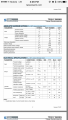
Ah, I see. The 50mA spec is from the "Absolute Maximum" section. These are numbers you never, ever want to reach. If any of these numbers are reached, the component may fail and the manufacturer will blame you, not their part.
If you look in the"Transfer Characteristics" section further down the page, you'll see some specs based on If (forward current) of 5 and 20mA. I'd calculate based on 20, but others here may have better advice. It's not always clear from datasheets if there's an exact best value for something, but you always want to avoid the Abs Max numbers!
Based on your other numbers, with the current adjusted to 20mA, that would mean 140ohm for R1.
Ah, I see. The 50mA spec is from the "Absolute Maximum" section. These are numbers you never, ever want to reach. If any of these numbers are reached, the component may fail and the manufacturer will blame you, not their part.
If you look in the"Transfer Characteristics" section further down the page, you'll see some specs based on If (forward current) of 5 and 20mA. I'd calculate based on 20, but others here may have better advice. It's not always clear from datasheets if there's an exact best value for something, but you always want to avoid the Abs Max numbers!
Based on your other numbers, with the current adjusted to 20mA, that would mean 140ohm for R1.
I gotta tell ya, the person who completely understands everything on those datasheets is a freaking genius. It's probably a bad habit of mine to always look at the maximums. Mentally I figure if you account for that you'll be okay. But I will adjust the drawing to incorporate your suggestion. Thanks again. I've learned a lot on this one, and still learning.
I know what you mean. There's a lot going on, and I feel lucky on the days I understand even 10% of it. Slowly but surely, experience and failure are teaching me which specs matter most in my typical applications, but I'm just scratching the surface.
I know what you mean. There's a lot going on, and I feel lucky on the days I understand even 10% of it. Slowly but surely, experience and failure are teaching me which specs matter most in my typical applications, but I'm just scratching the surface.
Probably, but the answer depends on the two power supplies that are being connected at their grounds. If they’re both plugged in (and not isolated for instance a battery or wall wart transformer) the potential exists for current to flow through the ground connection.

 Facebook
 Google
 GitHub
 Linkedin