Keep the solar light on over night

Thread Starter

hw_user

Joined Nov 22, 2022
12
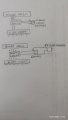
I have a cheap dusk to dawn solar LED light with 6 LEDs. With a full sunny day charge, it only keeps the light on for 3-4 hours (no light after 2-3 AM). I want the light to last the whole night (8 - 10 hours). I opened it up and found a single 3.7V battery inside (no name, probably 18650 without any capacity indication). I think it is either the Solar cell can not fully charge the battery or the battery capacity is too low. I added a 5V USB charger in parallel to the battery ( see picture). I hope that with the lights off (photo cell control) during the day, the 18650 battery will be charged by both the solar cell and the USB charger. With the lights on after sunset, it will use the battery power and/or the power from USB charger. I used a USB charger instead of a 5V adapter to prevent over charging. I did the modification yesterday and it worked last night. Light was on dusk to dawn. I am no expert but just someone who knows enough to be dangerous. Can anyone comment on the modification and provide any advice for improvement or any potential risk I am getting into.
 

Attachments

ErnieM

Joined Apr 24, 2011
8,415
Putting that 5V across your 3.7V battery is not advisable.

What I would advise is remove the battery and see if the rest still works.
 

nsaspook

Joined Aug 27, 2009
16,249
Putting that 5V across your 3.7V battery is not advisable.

What I would advise is remove the battery and see if the rest still works.
Leaving it connected might eventuality cause a very bright light, for a short period of time.
 
Last edited:

wayneh

Joined Sep 9, 2010
18,085
Putting a couple diodes between the 5V power supply and battery would do a lot to prevent over-voltage to the battery and the rest of the device. Each diode drops the voltage ~0.6V.

If you want to try staying fully solar powered, try using a genuine 18650 with a good capacity, ie. 2500mAh or more. Don't believe any vendor quoting more than 3000. Such a cell doesn't exist although you'll find ones rated up to 9,900, which is absurd.

Using a good battery shifts the weak link to the solar cell itself. If you start with a charged battery, your device may be bright at night for a few nights until the initial charge is depleted and you're relying on whatever the cell can add to the battery each day. It may be enough or it may not, and that will depend on the weather and the time of year. I have some Christmas themed solar lights that work great all year except ... Christmas, when the days are dark and short.
 

BobTPH

Joined Jun 5, 2013
11,463
If it is working with the 5V supply, just remove the battery and the solar cell. It should still work, but without the risk of a fire.
 

BobTPH

Joined Jun 5, 2013
11,463
I think he wants it to shut off during the day, hence the need for the solar cell to sense daylight.
I did’t suggest removing the solar cell. On every one if these I have seen, it is separate from the solar panel. I can’t say for sure it would work with those two parts disconnected, but it seems probable.

Just removing the battery would very likely work.
 

wayneh

Joined Sep 9, 2010
18,085
I did’t suggest removing the solar cell. On every one if these I have seen, it is separate from the solar panel.
All the modern ones I've seen lately have eliminated the separate (usually CdS) cell and just use the panel as the "sensor". I thought that's what we were talking about. If he has a separate sensor, then yes the panel could be eliminated.
 

Thread Starter

hw_user

Joined Nov 22, 2022
12
Putting a couple diodes between the 5V power supply and battery would do a lot to prevent over-voltage to the battery and the rest of the device. Each diode drops the voltage ~0.6V.

If you want to try staying fully solar powered, try using a genuine 18650 with a good capacity, ie. 2500mAh or more. Don't believe any vendor quoting more than 3000. Such a cell doesn't exist although you'll find ones rated up to 9,900, which is absurd.

Using a good battery shifts the weak link to the solar cell itself. If you start with a charged battery, your device may be bright at night for a few nights until the initial charge is depleted and you're relying on whatever the cell can add to the battery each day. It may be enough or it may not, and that will depend on the weather and the time of year. I have some Christmas themed solar lights that work great all year except ... Christmas, when the days are dark and short.
I just added a 1N4007 diode to the 5V from charger as suggested. There should be an one volt voltage drop. I will see how it goes.
 

wayneh

Joined Sep 9, 2010
18,085
It might drop 1V at high current but typically more like 0.6 or 0.7V. A lithium battery seeing a constant 4.3V risks destruction from overcharging. Check your voltages to see what's going on. I'd rather aim a bit low, like 3.9V if the battery is going to be exposed to it for long periods. It's still not ideal but much safer.
 

Thread Starter

hw_user

Joined Nov 22, 2022
12
It might drop 1V at high current but typically more like 0.6 or 0.7V. A lithium battery seeing a constant 4.3V risks destruction from overcharging. Check your voltages to see what's going on. I'd rather aim a bit low, like 3.9V if the battery is going to be exposed to it for long periods. It's still not ideal but much safer.
Google search results say " A 3.7V battery requires a charging voltage of 4.2V to charge fully. " That's why I only added one diode. which I assume that will lower the charging voltage to 4 or 4.4V. Also I am using a USB charger and not a 5V adapter. I think the charger will prevent over charging.
 

wayneh

Joined Sep 9, 2010
18,085
...I am using a USB charger and not a 5V adapter. I think the charger will prevent over charging.
Maybe. If it's really meant for charging a lithium battery from a 5V source, meaning it has a built-in charge controller, then you don't need the diode.
 
Top