Rookie question: I have a LM2596 I want to use in a project, but I don't have any idea what method to use to mount it on the board. Does it require a heat sink? Any suggestions?
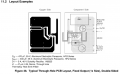
SMD case? Solder it down to a large area on the board. If you want to mount it to a heat sink a spring clip is typical (with heat sink compound). Another not so hood option when using an aluminum heat sink is to put heat sink compound on it and glue it down with a bulky glue like E6000. I have used this technique with suitable success on large LEDs.Rookie question: I have a LM2596 I want to use in a project, but I don't have any idea what method to use to mount it on the board. Does it require a heat sink? Any suggestions?
Thanks for the answer. I'm looking for a heat sink as we speak. This is my first foray into the world of electronics. Talk about a learning experience.SMD case? Solder it down to a large area on the board. If you want to mount it to a heat sink a spring clip is typical (with heat sink compound). Another not so hood option when using an aluminum heat sink is to put heat sink compound on it and glue it down with a bulky glue like E6000. I have used this technique with suitable success on large LEDs.
It's a metal electrical box. I would hate to have to change it now.What case style is it?,
Electrical boxes tend to be sheet steel welded into a box shape - die cast aluminium boxes have much better thermal conductivity.It's a metal electrical box. I would hate to have to change it now.
Clearly you're not into electronics! case style means what package is the regulator,It's a metal electrical box. I would hate to have to change it now.
The TO263 can be soldered directly to a steel enclosure - but its very difficult to do without frying the device. You also lose any isolation unless its built into the package.Hello,
Wich package model do you use?
View attachment 123620
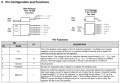
The datasheet is showing TO-220 through hole and TO-263 SMD.
Bertus