Facebook
 Google
 GitHub
 Linkedin
Hi Guys,
I have a mesa 7i77 card i'm using with linuxcnc to run a plasma cutter table. I burnt two cards so far. card is like 300$ a piece.
I am now trying to isolate it from all the other electrical stuff around. I know I have to go over all the wiring and all that but I thought why not add additional security and isolate the analog outputs and inputs of the card. I asked the major AI guys and they suggested I make my own board. I have never designed a board but I am good with a soldering iron. I did emphasize that I want a through hole diy board and even asked AI to put socket for components to make replacing them easier. I also looked on the net for solution but they are almost as expensive as the mesa board itself. I did find an aliexpress din rail isolator but the response time is 10ms. I bought one to test though. The modded plasma table I retrofitted to use linuxcnc dates back to 1995. not sure the drives will tolerate a 10ms lag.
back to my project. here is what the AI guys advised:
2 channels isolatation board:
Category,Qty,Reference,Value / Part Number,Package,Description,Unit Cost Est.,Line Cost Est.
Power,1,U3,TPS7A3901DGNR,VSSOP-24,Dual ±15V Voltage Regulator,4.20,4.20
Power,2,L1, L2,10µH,7x7mm,Power Inductor,0.50,1.00
Power,4,C_IN,22µF 25V X7R,1210,Regulator Input Cap,0.15,0.60
Power,4,C_OUT,10µF 25V X7R,1210,Regulator Output Cap,0.12,0.48
Isolation ICs,2,U1, U2,HCPL-7840-000E,SOIC-8,Isolation Amplifier,3.50,7.00
Gain Setting,8,R_GAIN,10.0kΩ 1%,0805,Gain Setting Resistor,0.02,0.16
Filtering,4,C_FILT,100pF NPO,0805,Input Filter Capacitor,0.03,0.12
Decoupling,14,C_DEC,100nF X7R,0603,Power Decoupling Cap,0.01,0.14
Bulk Decoupling,2,C_BULK,1µF X7R,0603,Bulk Decoupling Cap,0.02,0.04
Protection,2,TVS_IN,SMBJ12CA,SMB,Bidirectional TVS (±12V),0.25,0.50
Protection,1,F1,1812L150/60DR,1812,Resettable PTC Fuse (1.5A),0.50,0.50
Protection,1,TVS_PWR,SMBJ28CA,SMB,Unidirectional TVS (28V),0.25,0.25
Indicator,1,LED1,Green LED,0805,Power Indicator LED,0.10,0.10
Indicator,1,R_LED,2.2kΩ,0805,LED Current Limit Resistor,0.02,0.02
Connectors,3,CONN,3-pin Screw Terminal,5.08mm,Signal/Power Connector,1.10,3.30
PCB,1,-,PCB 2-Layer,80x100mm,Custom Circuit Board,5.00,5.00
And the board design instructions:
So what am I looking for? I'd like to have your opinion whether it's a good idea to go this route, learn some stuff and build this board and be able to repair it when needed, If I order it online I will have a minimum of 5 boards. This gives me 4 spare boards in case of future failures. Or forget about it and go the expensive option? I am not in a hurry and I'm not losing any money going the DIY option by the way. The setup is already working as is but I want to add protection.
I am going to play with a Claude Kicad MCP to see what I can get out of this.
I have a mesa 7i77 card i'm using with linuxcnc to run a plasma cutter table. I burnt two cards so far. card is like 300$ a piece.
I am now trying to isolate it from all the other electrical stuff around. I know I have to go over all the wiring and all that but I thought why not add additional security and isolate the analog outputs and inputs of the card. I asked the major AI guys and they suggested I make my own board. I have never designed a board but I am good with a soldering iron. I did emphasize that I want a through hole diy board and even asked AI to put socket for components to make replacing them easier. I also looked on the net for solution but they are almost as expensive as the mesa board itself. I did find an aliexpress din rail isolator but the response time is 10ms. I bought one to test though. The modded plasma table I retrofitted to use linuxcnc dates back to 1995. not sure the drives will tolerate a 10ms lag.
back to my project. here is what the AI guys advised:
2 channels isolatation board:
Category,Qty,Reference,Value / Part Number,Package,Description,Unit Cost Est.,Line Cost Est.
Power,1,U3,TPS7A3901DGNR,VSSOP-24,Dual ±15V Voltage Regulator,4.20,4.20
Power,2,L1, L2,10µH,7x7mm,Power Inductor,0.50,1.00
Power,4,C_IN,22µF 25V X7R,1210,Regulator Input Cap,0.15,0.60
Power,4,C_OUT,10µF 25V X7R,1210,Regulator Output Cap,0.12,0.48
Isolation ICs,2,U1, U2,HCPL-7840-000E,SOIC-8,Isolation Amplifier,3.50,7.00
Gain Setting,8,R_GAIN,10.0kΩ 1%,0805,Gain Setting Resistor,0.02,0.16
Filtering,4,C_FILT,100pF NPO,0805,Input Filter Capacitor,0.03,0.12
Decoupling,14,C_DEC,100nF X7R,0603,Power Decoupling Cap,0.01,0.14
Bulk Decoupling,2,C_BULK,1µF X7R,0603,Bulk Decoupling Cap,0.02,0.04
Protection,2,TVS_IN,SMBJ12CA,SMB,Bidirectional TVS (±12V),0.25,0.50
Protection,1,F1,1812L150/60DR,1812,Resettable PTC Fuse (1.5A),0.50,0.50
Protection,1,TVS_PWR,SMBJ28CA,SMB,Unidirectional TVS (28V),0.25,0.25
Indicator,1,LED1,Green LED,0805,Power Indicator LED,0.10,0.10
Indicator,1,R_LED,2.2kΩ,0805,LED Current Limit Resistor,0.02,0.02
Connectors,3,CONN,3-pin Screw Terminal,5.08mm,Signal/Power Connector,1.10,3.30
PCB,1,-,PCB 2-Layer,80x100mm,Custom Circuit Board,5.00,5.00
And the board design instructions:
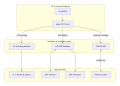
| =========================================== LINUXCNC PLASMA CUTTER - 2-CHANNEL ANALOG ISOLATOR =========================================== BOARD CONNECTORS: ----------------- PWR_IN (2-pin): PIN1 = +24V_IN, PIN2 = PGND CH1_IN (3-pin): PIN1 = CH1_IN+, PIN2 = CH1_IN-, PIN3 = GND_CTRL CH2_IN (3-pin): PIN1 = CH2_IN+, PIN2 = CH2_IN-, PIN3 = GND_CTRL CH1_OUT (3-pin): PIN1 = CH1_OUT+, PIN2 = CH1_OUT-, PIN3 = GND_ISO CH2_OUT (3-pin): PIN1 = CH2_OUT+, PIN2 = CH2_OUT-, PIN3 = GND_ISO PWR_OUT (2-pin): PIN1 = +15V_ISO, PIN2 = -15V_ISO POWER SUPPLY WIRING: -------------------- PWR_IN: PIN1 --> F1(FUSE) --> +24V_F +24V_F --> TVS_PWR:ANODE TVS_PWR:CATHODE --> PGND +24V_F --> L1 --> U5:TPS7A3901(PIN1,VIN) PGND --> U5(PIN3,GND) U5(PIN8,VOUT1) --> +15V U5(PIN18,VOUT2) --> -15V +15V --> U6:LM7805(IN) U6(OUT) --> +5V U6(GND) --> GND_CTRL +15V_ISO --> U7:LM7805(IN) U7(OUT) --> +5V_ISO U7(GND) --> GND_ISO CHANNEL 1 (U1 - HCPL-7840) WIRING: ----------------------------------- [CONTROL SIDE] CH1_IN: PIN1 --> R1(10k) --> U1(PIN3,IN+) CH1_IN: PIN2 --> R2(10k) --> U1(PIN2,IN-) U1(PIN2,IN-) --> R3(10k) --> GND_CTRL U1(PIN3,IN+) --> C1(100pF) --> GND_CTRL CH1_IN: PIN1 --> D1:TVS(ANODE) CH1_IN: PIN2 --> D1:TVS(CATHODE) +15V --> U1(PIN8,VCC1) +5V --> U1(PIN1,VDD1) U1(PIN4,GND1) --> GND_CTRL +15V --> C5(100nF) --> GND_CTRL [at U1 Pin8] +5V --> C6(100nF) --> GND_CTRL [at U1 Pin1] [MACHINE SIDE] U1(PIN6,OUT+) --> R4(10k) --> CH1_OUT: PIN1 U1(PIN5,OUT-) --> R5(10k) --> CH1_OUT: PIN2 U1(PIN5,OUT-) --> R6(10k) --> GND_ISO +15V_ISO --> U1(PIN7,VCC2) +5V_ISO --> U1(PIN5,VDD2) U1(PIN5,GND2) --> GND_ISO +15V_ISO --> C7(100nF) --> GND_ISO [at U1 Pin7] +5V_ISO --> C8(100nF) --> GND_ISO [at U1 Pin5] +15V_ISO --> C19(1uF) --> GND_ISO CHANNEL 2 (U2 - HCPL-7840) WIRING: ----------------------------------- [Follow CHANNEL 1 pattern with these substitutions] U1 -> U2 CH1_IN -> CH2_IN CH1_OUT -> CH2_OUT R1-R6 -> R7-R12 C1 -> C2 C5-C8 -> C9-C10 C19 -> C20 D1 -> D2 ADDITIONAL DECOUPLING CAPACITORS: --------------------------------- +15V --> C11(100nF) --> GND_CTRL -15V --> C12(100nF) --> GND_CTRL +15V_ISO --> C13(100nF) --> GND_ISO -15V_ISO --> C14(100nF) --> GND_ISO POWER INDICATOR: ---------------- +15V --> R9(2.2k) --> LED1:ANODE LED1:CATHODE --> PGND CRITICAL LAYOUT RULES: ---------------------- 1. GND_CTRL and GND_ISO must NEVER connect electrically 2. Maintain ≥8mm gap between GND_CTRL and GND_ISO copper 3. Place 100nF capacitors within 3mm of IC power pins 4. Route IN+/IN- and OUT+/OUT- as parallel trace pairs 5. Keep input and output sections physically separated VERIFICATION CHECKLIST: ----------------------- [ ] All HCPL-7840 have correct power: VCC=±15V, VDD=+5V [ ] Input bias resistors (R3,R6,R9,R12) connect to correct ground [ ] TVS diodes oriented correctly (cathode band to negative) [ ] No shorts between GND_CTRL and GND_ISO [ ] Isolation barrier clearly defined in PCB layout [ ] All connectors labeled correctly NOTES: ------ - GND_CTRL connects to Mesa card ground - GND_ISO connects to servo drive grounds - Board provides two fully isolated ±10V analog channels - Use shielded cable for analog signal connections |
So what am I looking for? I'd like to have your opinion whether it's a good idea to go this route, learn some stuff and build this board and be able to repair it when needed, If I order it online I will have a minimum of 5 boards. This gives me 4 spare boards in case of future failures. Or forget about it and go the expensive option? I am not in a hurry and I'm not losing any money going the DIY option by the way. The setup is already working as is but I want to add protection.
I am going to play with a Claude Kicad MCP to see what I can get out of this.
Attachments
-
 273.5 KB Views: 25
Last edited: