Is this irreparable? Battery leak damage

Thread Starter

PsySc0rpi0n

Joined Mar 4, 2014
1,786
Hi.
I have a graphics calculator that I used during my graduation and I might still need it if I decide later this year to go for a Master Degree, however, I found this calculator yesterday with battery leak damage in the lower part of the PCB, corresponding to the keyboard of the calculator.

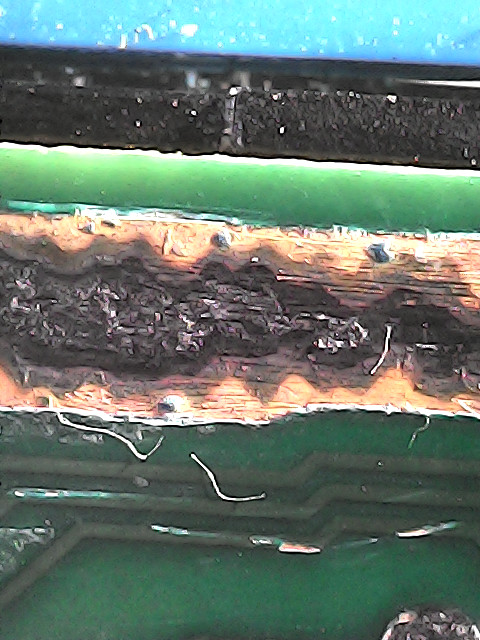
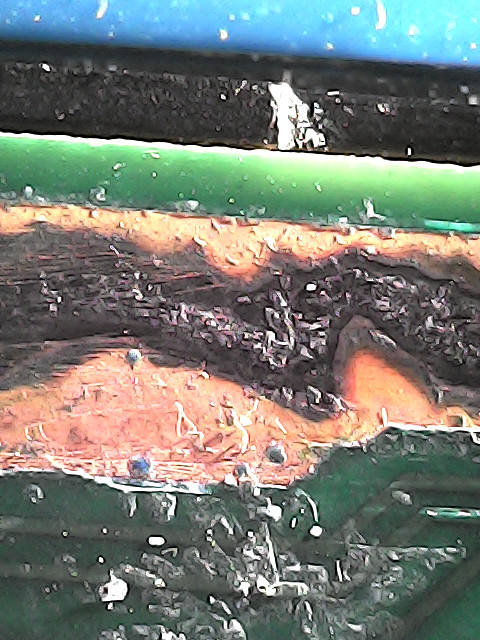
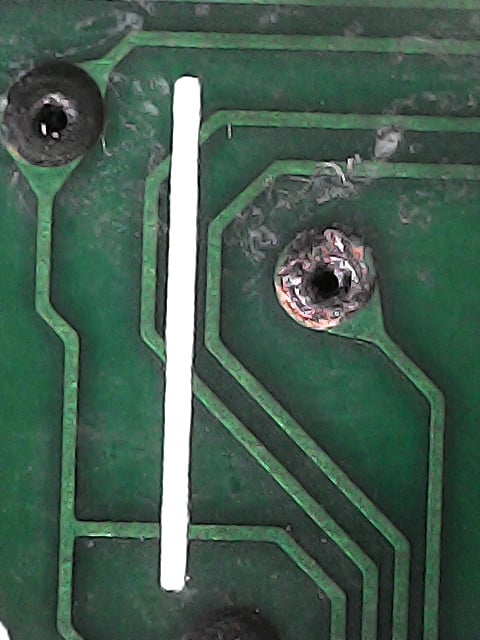
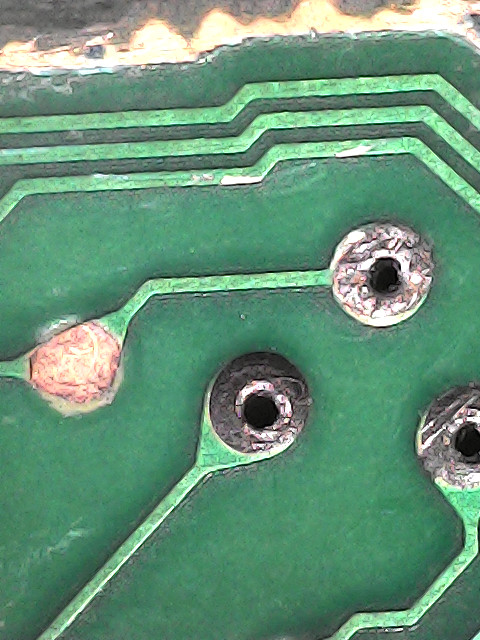
I am not sure if this is ruined for good or not because I'm not sure the remaining batteries I have here are good or not. I cleaned the residues of the battery leakage with some isopropyl alcohol and it is visible quite some damage in the PCB but I'm not sure if this is critical damage. I think I'm still in denial because this is a calculator I like very much and it was quite expensive.

From these pictures, what you guys think?
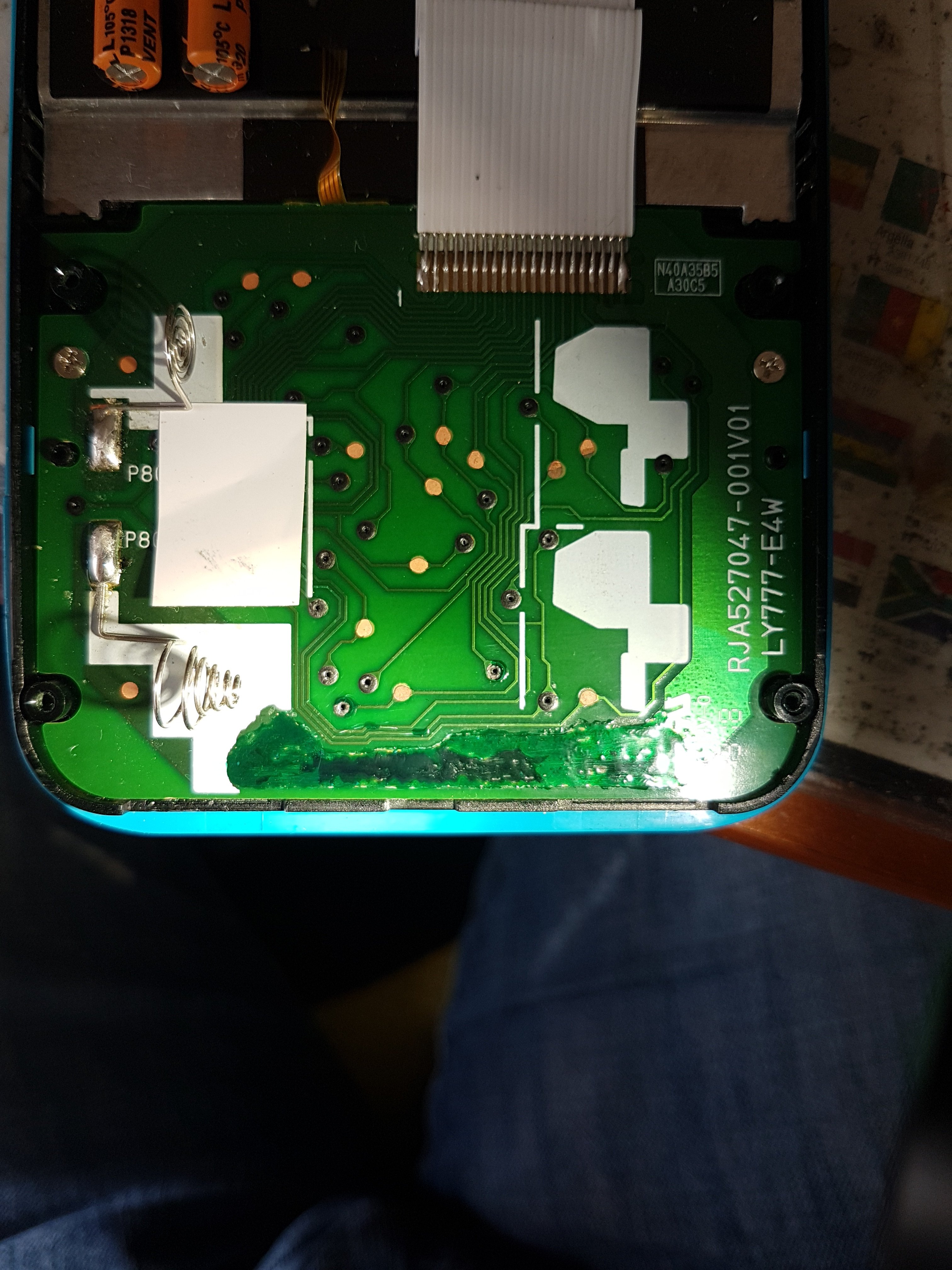
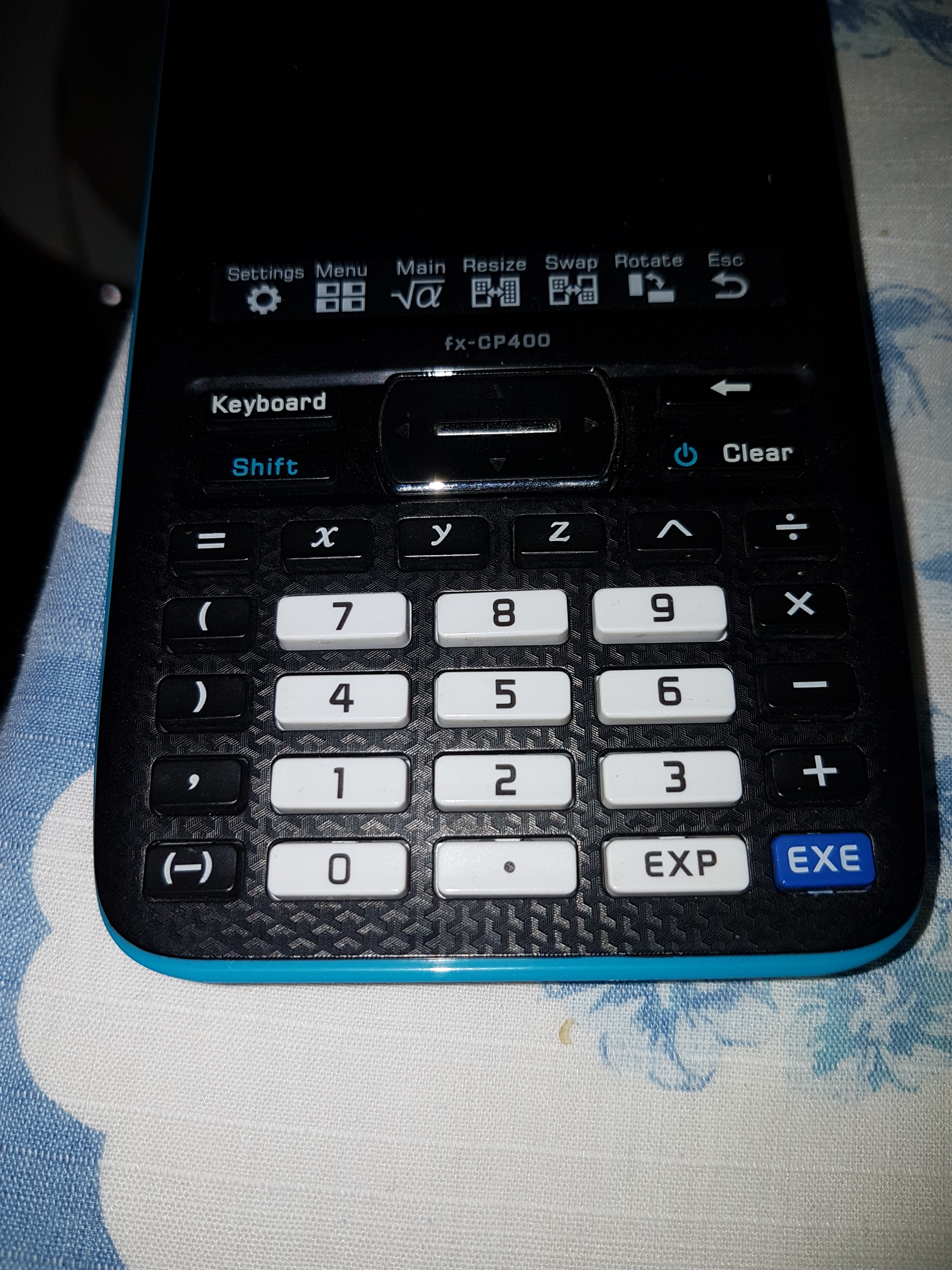
This is the keyboard part of the calculator

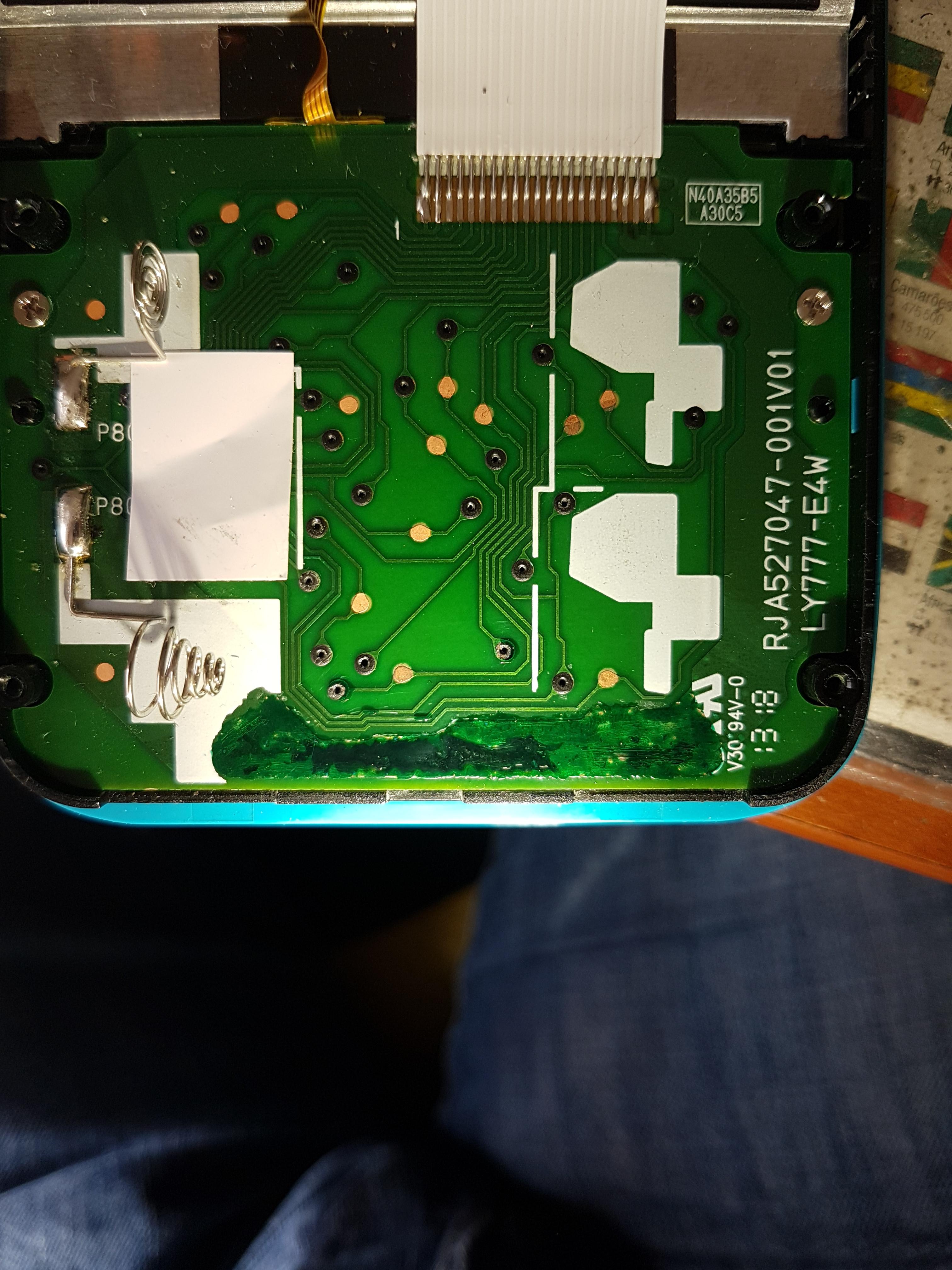
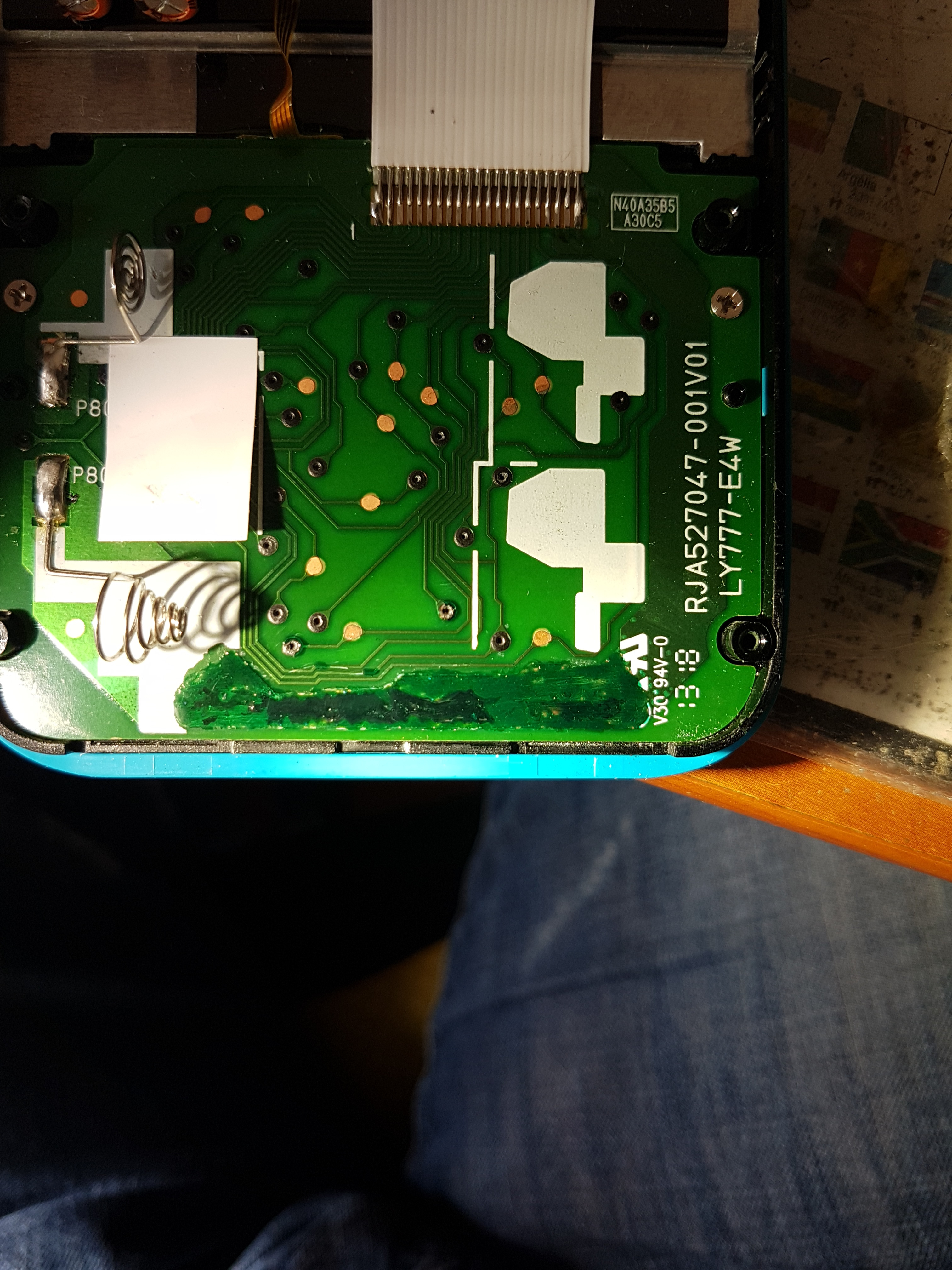
This is the bottom of the PCB with the damage
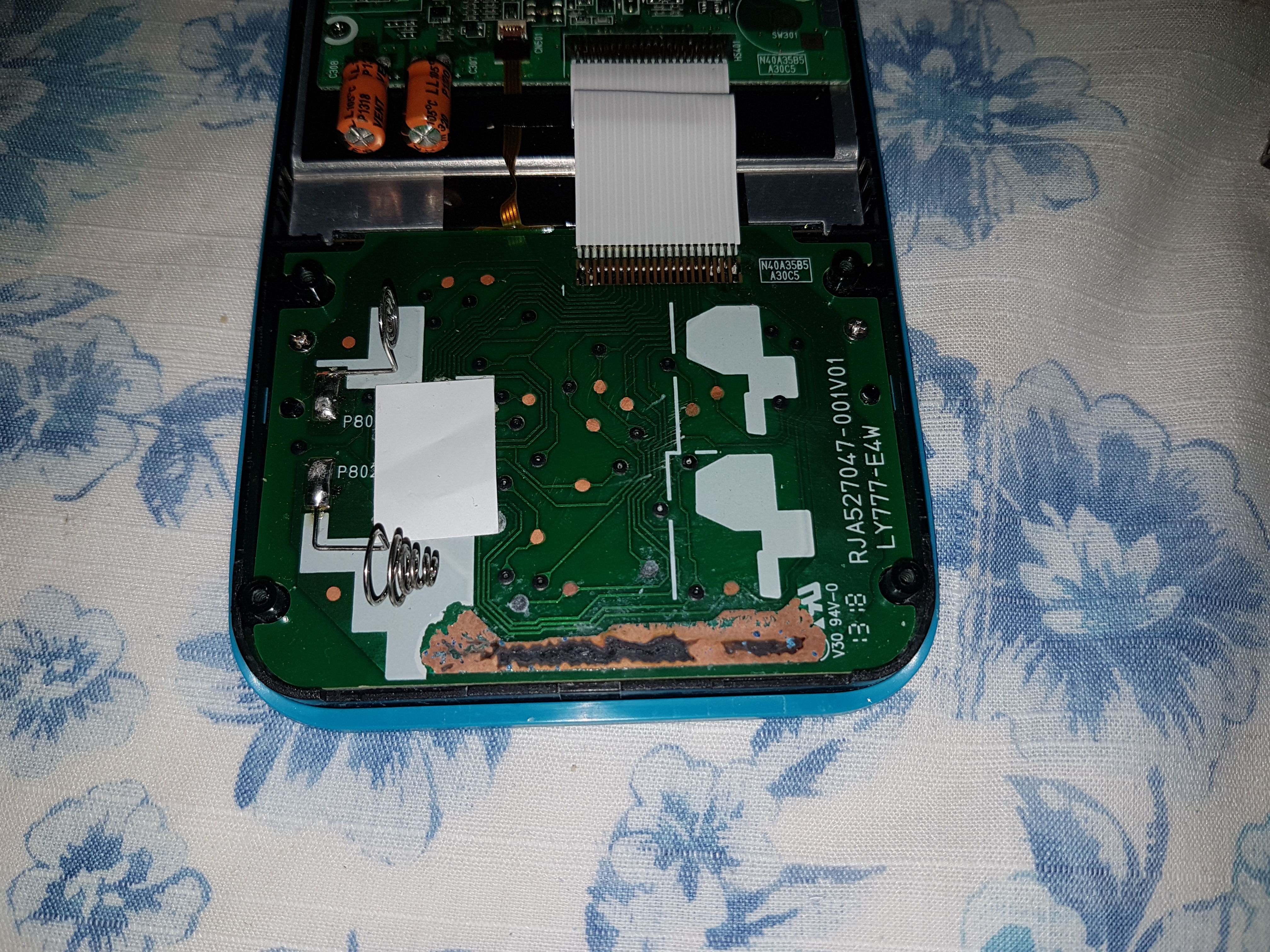

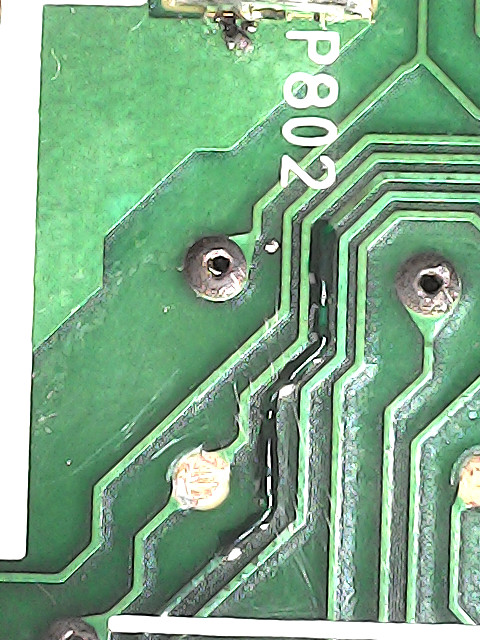
And this is a close up
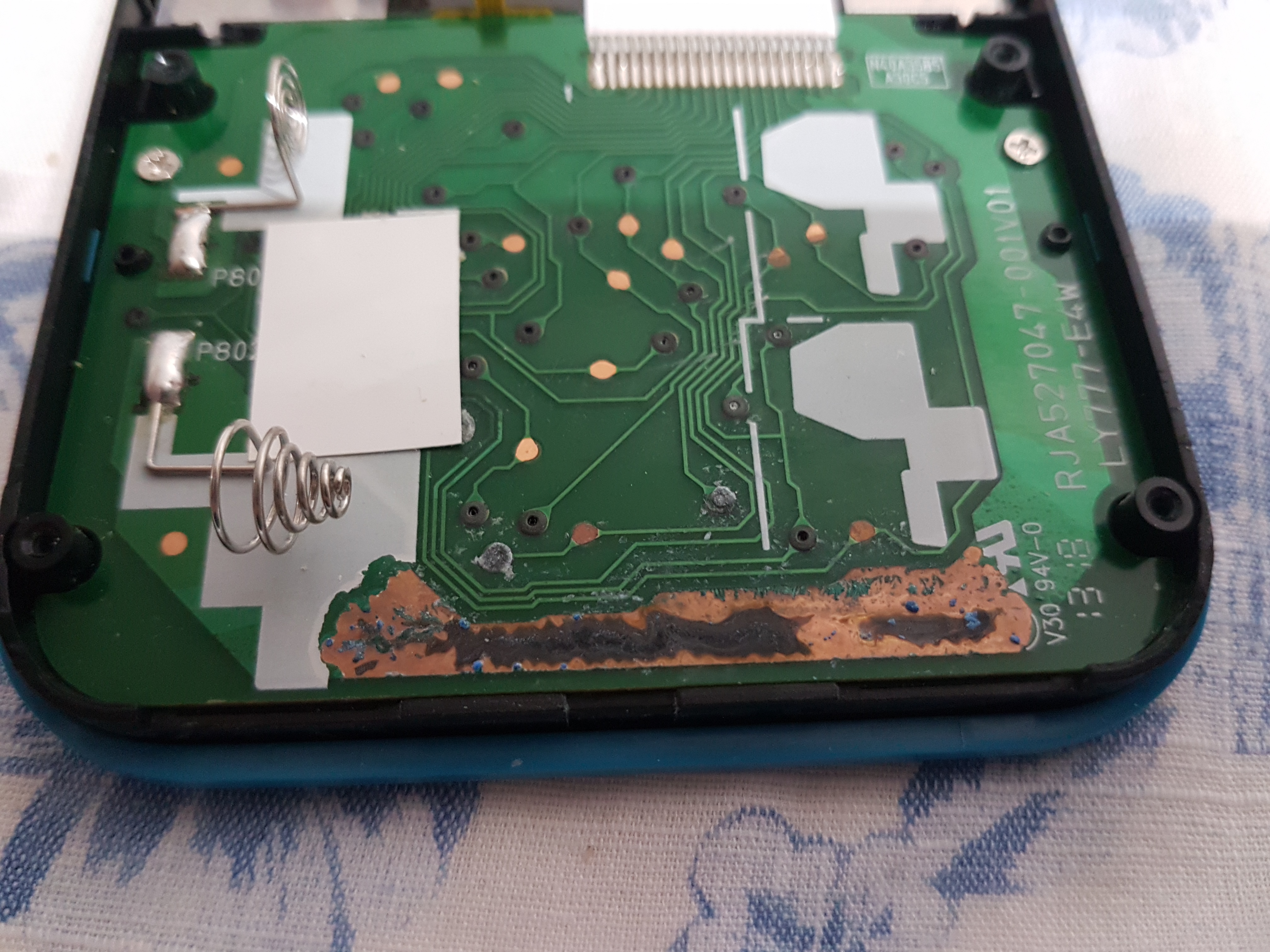

So, while I'm still in denial, what would be the chances of the exposed copper layer is not 100% broke and the calculator still work?
Or what else could be the damage that might not be visible but still critical?

Let's say that the continuity of the exposed copper area is broken from te left side of the picture to the risht side. Would it be possible to solder enamel wires to bridge the "eventual" two broken sides?
Something like this:
1676407656657.png

Just as a side note: this is a Casio Classpad CP-Fx400
 

Dodgydave

Joined Jun 22, 2012
11,395
It looks like one solid copper track for the battery Negative side, is it dual sided pcb have you tried powering it up on batteries to see if it's still working?
 

MaxHeadRoom

Joined Jul 18, 2013
30,688
Let's say that the continuity of the exposed copper area is broken from te left side of the picture to the risht side. Would it be possible to solder enamel wires to bridge the "eventual" two broken sides?
What I have used in the past is dry-wick or copper braid two or three strips soldered across the damaged area, and then, use one of the modern adhesives if needed.
 

Thread Starter

PsySc0rpi0n

Joined Mar 4, 2014
1,786
It looks like one solid copper track for the battery Negative side, is it dual sided pcb have you tried powering it up on batteries to see if it's still working?
I tried yesterday but I'm not sure the batteries where ok. But the calculator didn't start. However, I am not sure if the batteries were good because I tried with the reamaining 3 good batteries that were lying in the calculator for a couple of months and with one other battery that I had around here.

And at this moment, I have been packing stuff of my house because it is going to be painted tomorrow in the inside, terefore I have no way right now to try to power the calculator with my external power supplies just to test. I'll have to wait probably for the next week to have all my stuff back in place!

What I have used in the past is dry-wick or copper braid two or three strips soldered across the damaged area, and then, use one of the modern adhesives if needed.
I have to search for those terms to see what those are becaue I don't know them!
I also need to get my hands on 4x new AAA batteries and test if te calculator starts before doing anything else, but I'm expecting for the worst.

Dry-wick is the same as solder wick?
1676410132212.png

And what would the modern adhesives be? And used for what?

An what would the3 n
 

MaxHeadRoom

Joined Jul 18, 2013
30,688
I have to search for those terms to see what those are because I don't know them!
Dry-wick is the same as solder wick?
And what would the modern adhesives be? And used for what?

An what would the3 n
Dry-wick = solder wick.
There are so many modern adhesives now, it is hard to make a suggestion, but any of the hi-tech bonding materials that bond all kind of materials such as stone, metal, ceramic, glass, & more are out there.
In N.A. Gorilla Glue makes a wide variety.
 

Thread Starter

PsySc0rpi0n

Joined Mar 4, 2014
1,786
Dry-wick = solder wick.
There are so many modern adhesives now, it is hard to make a suggestion, but any of the hi-tech bonding materials that bond all kind of materials such as stone, metal, ceramic, glass, & more are out there.
In N.A. Gorilla Glue makes a wide variety.
Ok, thanks
So, you mean normal glue just to make sure the solder wick is secure to the PCB, is that it?
Why not applying a drop of solder? Is it a bad idea?
 

Ya’akov

Joined Jan 27, 2019
10,256
My first impression from your photo is that the calculator will work as is and the ”damage“ is restricted to the removal of solder mask from the ground plane flood on the PCB. Though I will qualify this with the fact that it provides incomplete information about the negative connection of the cells.

You may be doing a great deal of premature optimization and unneeded worrying. Get some good cells and try it first.

Also, you are almost certainly aware of these facts now, but just in case:

  1. While all alkaline cells can and do leak at various times, cheap cells are considerably more likely to do it considerably sooner. For something like a calculator that isn’t used constantly, and can have the cells self-discharge without you noticing, it is definitely worth the extra money for top quality cells

  2. If you aren’t going to use an alkaline powered device for an extended period, remove the cells from it. I like to put them in a small ziplock bag taped to the device (with removable tape, of course, that won’t leave a bunch of residue). That way they are readily available and if they do leak in-situ, the bag protects everything and you can see there’s a problem.

  3. Get a cheap, simple battery tester¹ (the sort that puts the cell under a load) and check the state of the cells you are making into a battery. It is not a good thing to mix cells of very different states in a battery, it causes a lot of trouble and I think it among those things is more accelerated leakage.

One more thing which I is a bit speculative but I believe to be the case from experience: if the cells are left in the device but insulated from the contacts on one end using anything, even a bit of paper, the self discharge is reduced and the time-to-leak is greatly extended. This is similar to the way small, cheap devices using alkaline button cells are shipped—with a pull tab insulator.


1. This is the one I use and it is very quick and reliable for a go/no-go test.
 

Thread Starter

PsySc0rpi0n

Joined Mar 4, 2014
1,786
Ok I finally checked the calculator with good batteries and the calculator still works.
Now, my concern is the possibility that any remains of that white substance that leaked and dried out over time from the batteries that I eventually could not remove because I cuoldn't get to it or it is not visible, that might continue degrading the copper of the PCB and eventually bring the calculator to an unrecoverable state in the future.

I have cleaned the PCB with isopropyl alcohol but after the alcohol evaporated, I am afraid that some minor remains of the leakage can still keep damaging the PCB.

Anything I can do about this? I have UV curable solder mask I can apply on the exposed copper to protect it from oxidation but I wanted to do this only after I'm sure there is not te possibility of the leakage still continue damaging the PCB below the layer of UV curable solder mask I want to apply to it! Otherwise, it will still damage the PCB even with the soler mask, no?

Edited;

Well, I removed some more of that white dried substance that the leaking caused, cleaned it again with isopropyl alcohol and I covered the exposed copper with this solder mask. It's curing now with UV light!

These are some pictures before cleaning again and covering with UV mask. I'll put some pictures after the mask is cured:


This is a picture of one of the tracks that got the copper exposed alreay convered and cured with UV mask.
 
Last edited:
Top