In my 555 circuit I use two resistors and two LEDs. One LED conducts when the output is low and the other when the output is high. Now, it seems that when the 555 output is low the display on my PSU changes: I thought the display would be stable if there was a constant supply voltage of 9V. Why would this change in display happen ? I thought (rightly or wrongly) that maybe there was a short circuit or something when the 555 is sinking current which would explain why the display changes. I am just a hobbyist and tinkering with some 555 circuits.
In my 555 circuit I use two resistors and two LEDs. One LED conducts when the output is low and the other when the output is high. Now, it seems that when the 555 output is low the display on my PSU changes: I thought the display would be stable if there was a constant supply voltage of 9V. Why would this change in display happen ? I thought (rightly or wrongly) that maybe there was a short circuit or something when the 555 is sinking current which would explain why the display changes. I am just a hobbyist and tinkering with some 555 circuits.
According to the datasheets: NE555 (TTL) max current is +-200mA whereas TLC555 (CMOS) is +15/-150mA. Are you saying the TTL version is not symmetrical in some way not explicit to the datasheet or are you referring to the CMOS version only? I'm not sure what bi-polar refers to in this instance.
According to the datasheets: NE555 (TTL) max current is +-200mA whereas TLC555 (CMOS) is +15/-150mA. Are you saying the TTL version is not symmetrical in some way not explicit to the datasheet or are you referring to the CMOS version only? I'm not sure what bi-polar refers to in this instance.
The low side switch of a bi-polar 555 can bring the output closer to the negative rail then the high side switch can pull to the positive rail.
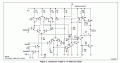
Look at the schematic in post #4 you will see the high side switch is a Darlington, therefore presenting a higher voltage drop then the low side switch, so if you attach equal loads the low side will provide more voltage to the load.
Bi-polar simply meant the 555 is made of BJTs (bi-polar junction transistor) and not MOSFETs.
EDIT: And also notice the high side switch is common collector...that doesn't help things either.
So now the problem shifts from a 555-timer circuit to the PSU (power supply unit).
Remove all loads from the PSU.
Measure the voltage output from the PSU.
Now progressively add smaller and smaller resistors across the PSU while still measuring the output voltage.
Now, it seems that when the 555 output is low the display on my PSU changes: I thought the display would be stable if there was a constant supply voltage of 9V.
The low side switch of a bi-polar 555 can bring the output closer to the negative rail then the high side switch can pull to the positive rail.
Look at the schematic in post #4 you will see the high side switch is a Darlington, therefore presenting a higher voltage drop then the low side switch, so if you attach equal loads the low side will provide more voltage to the load.
Bi-polar simply meant the 555 is made of BJTs (bi-polar junction transistor) and not MOSFETs.
EDIT: And also notice the high side switch is common collector...that doesn't help things either.
Thanks for the clarification, I did not account for the Darlington configuration and common collector. For some reason I assumed the +-200mA rating implied that the output capability while sourcing/sinking was matched up to 200mA. I hate to poach TS's topic though I'm left to wonder why the spec is +-200mA (EDIT: and not two different numbers), coincidence or simply the max rating for the transistors? I'll continue to study the schematic since there is plenty I still do not yet understand.
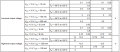
The current ratings are just the maximum you can get from the output pin, but the voltages are actually in the data sheet...this is from the TI sheet for the XX555 devices.

 Facebook
 Google
 GitHub
 Linkedin