Facebook
 Google
 GitHub
 Linkedin

Hi,Thank you so match
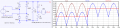
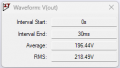
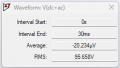
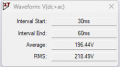
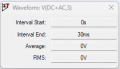
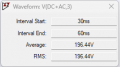
Your answer is absolutely correct and professional. The interesting thing is that the multimeter and the simulator show the rms current value, right. While the current and voltage waveforms are similar.
Yes, maybe that exemplifies the idea that some meters read differently than others when some are not used for the right measurements.
I guess we have this expectation that all meters should read alike, but when they are used for something they are not really made for, we could see issues come up. Maybe we can say the same thing for a measurement error that would be more obvious, such as trying to measure an AC voltage with a DC meter.
I think the problem originates from when AC meters were first made. Before we had digital meters or true RMS meters they all read an average value and then used a correction factor to be able to display the right value. The assumption was that you would be measuring an AC voltage that was a regular sine wave. A lot of digital meters still do it that way too, except for the true RMS ones. They all have a frequency limit though and most of the cheaper ones only work for 50, 60, and maybe 400Hz and maybe up to 1000Hz, but after that the response falls off and they are no longer reliable. An expensive meter can go up higher like 100kHz, but technology is always improving in this area so we may see better meters as time goes on.