IOT without Electronic Transmitters

Thread Starter

BR-549

Joined Sep 22, 2013
4,931
This is new....at least for me. Maybe someone is familiar with this. Let's see if I got this.

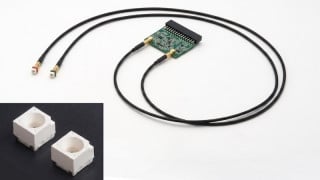
The material that the 3D printed object is made of..........reflects a "noise pattern" that varies with the physical orientation to the wifi receiving antenna. The receiving software can detect these cyclic variations.

Pretty neat. Echo sensing.

https://phys.org/news/2017-12-d-wifi-electronics.html
 

nsaspook

Joined Aug 27, 2009
16,322
Passive IFF systems have been around for ages.

http://www.dean-boys.com/extras/iff/iffqa.html
The Beginning of Electronic Identification

Early in the European conflict of World War II, British airmen were puzzled by the strange behavior of German fighter aircraft. Occasionally and without apparent reason, the German planes would simultaneously roll over. The British eventually intercepted radio signals from the ground that always preceded this maneuver. It was then realized that by rolling over at a predetermined signal the Germans were changing the polarization of the radar reflections picked up by their own ground radars. They created a distinctive blip on the radars that differed from others so German radar operators could identify their friendly forces.

As crude and simple as it was, this constituted the first attempt at an electronic IFF system. It incorporated the basic structure of all cooperative IFF systems that followed: a challenge or question (the coded radio message) and a specific response (the roll over that caused a change in the reflected radar signal).

The First Active IFF Systems

Both British and American forces were working to develop a viable identification system as well. That first German maneuver, which was soon superseded by others, was a passive system in that the returned signal was still just a reflection of the radar energy sent from the ground.

The first active system used by the allies employed radio energy generated onto the target aircraft and then used for the return signal. This is the basic method now used in all modern cooperative IFF systems.
 
Top