Facebook
 Google
 GitHub
 Linkedin
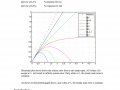
Hi guys , my transfer function is 1/(s+alpha) , by varying the value of alpha, i plotted the graph below. The graph below shows the error by using different value of alpha . It is attached below
I am in doubt, based on my understanding in control engineering, ramp input should cause a constant error to first order system, why is the follownig shows all infinity error except when alpha is one, the graph is certainly not wrong, i just dun understand
I am in doubt, based on my understanding in control engineering, ramp input should cause a constant error to first order system, why is the follownig shows all infinity error except when alpha is one, the graph is certainly not wrong, i just dun understand
Attachments
-
 123.5 KB Views: 33