EMI-Shielded, Vented Enclosure for Electrochemical Gas Sensor — Low-Cost Prototype Options?

Thread Starter

DJ_AA

Joined Aug 6, 2021
490
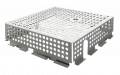
I’m developing an electrochemical gas-sensor application and need custom shielding around the PCB with some ventilation. Please see the attached image for what I’m trying to achieve.
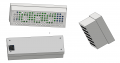
1754857202440.png

I understand a sheet-metal shop could make a custom enclosure, but before I commit to that cost I’m looking for lower-cost prototype options.

One idea is to 3D-print a plastic housing and wrap it with EMI shielding tape, as linked below. The challenge is venting: I’d either need to pierce holes in the tape or use a pre-metallised vent/grille if such parts are available.

Any suggestions for prototyping a vented, EMI-shielded enclosure?

WE-EMIP EMI Patch | Passive Components | Würth Elektronik Product Catalog
 

Abubakar123

Joined Aug 14, 2025
1
I’m developing an electrochemical gas-sensor application and need custom shielding around the PCB with some ventilation. Please see the attached image for what I’m trying to achieve.

1754857202440.png


I understand a sheet-metal shop could make a custom enclosure, but before I commit to that cost I’m looking for lower-cost prototype options.

One idea is to 3D-print a plastic housing and wrap it with EMI shielding tape, as linked below. The challenge is venting: I’d either need to pierce holes in the tape or use a pre-metallised vent/grille if such parts are available.

Any suggestions for prototyping a vented, EMI-shielded enclosure?If you're looking for the best free video editing app, you should give this one a try Capcut premium apk
You're on the right track with the 3D-printed housing + EMI tape. For prototyping, you could try:

Metal mesh/grille inserts: Combine with EMI tape around the edges to maintain shielding while allowing airflow.

Pre-shielded vent panels: Some vendors offer EMI-rated vents—might be pricier but reusable.

Perforated metal sheets: Cut and tape onto your 3D print for basic shielding + ventilation.

Not perfect, but effective for early-stage testing without the full cost of custom sheet metal.
 

ronsimpson

Joined Oct 7, 2019
4,660
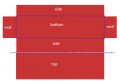
I have used metal window screen or copper screen. cut then fold on the blue lines. Solder the corners.
1755206509660.png
If you don't want to cut the corners out you can fold the "cut away portion" in half.
1755206680134.png
You can practice with paper or tin foil.
 

MisterBill2

Joined Jan 23, 2018
27,312
What kind of sensors?? What are they intended to sense?? and what sort of outputbdo they have?? How many sensors? Usually the shield arrangement depends on What is being shielded from what. I have seen thin sheetmetal containers for imported teas that could be a very good shielded enclosure if you added vent holes. AND at one time I purchased a three foot square of perforated aluminum that provided adequate ventillation for a tube type amplifier.
Is this a one-time project build, or are you going in to production?? That makes a difference.
 
Last edited:

Jon Chandler

Joined Jun 12, 2008
1,570
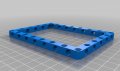
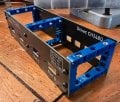
One option for a very customizable, low cost enclosure that can be made one at a time is is this method I developed using Lego Technic frames with printed circuit board panels.

Lego Technic frames have holes that are perfectly-sized for 3mm heat-stake thread inserts.

unnamed (6).jpg

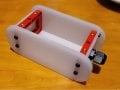
I typically use laser-cut acrylic for the panels. The frames come in a variety of sizes and shapes other than rectangular frames. With a little ingenuity, stylish enclosures can be made.

Screenshot_20260421_215431_Edge.jpg

Using printed circuit boards (Cheap from China), nice labeled, machined panels can be used. PCB panels would allow machining of slots and holes for ventilation and the copper would provide shielding.

unnamed (7).jpg

The link above provides additional details.
 

Thread Starter

DJ_AA

Joined Aug 6, 2021
490
So do you sell these frames?


One option for a very customizable, low cost enclosure that can be made one at a time is is this method I developed using Lego Technic frames with printed circuit board panels.

Lego Technic frames have holes that are perfectly-sized for 3mm heat-stake thread inserts.


I typically use laser-cut acrylic for the panels. The frames come in a variety of sizes and shapes other than rectangular frames. With a little ingenuity, stylish enclosures can be made.


Using printed circuit boards (Cheap from China), nice labeled, machined panels can be used. PCB panels would allow machining of slots and holes for ventilation and the copper would provide shielding.


The link above provides additional details.
 
Top