Facebook
 Google
 GitHub
 Linkedin

Someone please assist. Thanks
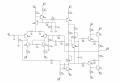
look image..Without applying signal yet, TS wants node "das" to be 2.5V and 100mA..
so there is 0.2V across R4 and R5 (weird resistor values yh)
0.2V across both so have to make sure 0.2V across R2 for this to work
Also, notice R6 is also connected to node das
Question now is, as TS increases R6, expecting little current to flow through R6 (so it has no effect on R4 and R1) so das should be getting closer and closer and closer to 2.5V. das increases but it also passes 2.5V : can not understand why it passes 2.5V
2nd question (off topic ? no!!!: More important than 1st question)
Please how to remember electronic things? have seen more than 10 transistor topology and can remember most at the moment but fear will forget them in the future and also want to know alot more (like 500 "topologies"?)..How can TS learn them but more importantly, not forget them?
Keep notes and read as often?
Thanks thanks thanks thanks thanks!!!!!!! Love this forum
look image..Without applying signal yet, TS wants node "das" to be 2.5V and 100mA..
so there is 0.2V across R4 and R5 (weird resistor values yh)
0.2V across both so have to make sure 0.2V across R2 for this to work
Also, notice R6 is also connected to node das
Question now is, as TS increases R6, expecting little current to flow through R6 (so it has no effect on R4 and R1) so das should be getting closer and closer and closer to 2.5V. das increases but it also passes 2.5V : can not understand why it passes 2.5V
2nd question (off topic ? no!!!: More important than 1st question)
Please how to remember electronic things? have seen more than 10 transistor topology and can remember most at the moment but fear will forget them in the future and also want to know alot more (like 500 "topologies"?)..How can TS learn them but more importantly, not forget them?
Keep notes and read as often?
Thanks thanks thanks thanks thanks!!!!!!! Love this forum
Attachments
-
 286.4 KB Views: 19
Last edited: