Facebook
 Google
 GitHub
 Linkedin

I'm working on. I've taken some old ideas I've drawn and added to them.
I'm starting with a modular 48V 2.06A power supply. I'm thinking of using it to feed these circuits.
Basically there will not be a fixed current limit, it should boost the total current available with lower power supply voltage settings. Max voltage out will be 24V at 3A, going to almost 10A when set to 5V.
There will be an indicator that shows when the power draw exceeds the 48V Power Supply module.
I've broken it down into 4 boards, I'll probably merge the last two. I'm going to draw up some PCB layouts next.
Board 1 - On board power supply
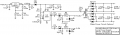
Signals
+48V / Input
+28V / Output
+51.5V / Output
-3.5V / Output
Ground
+DVM1 PM PS / Output
-DVM1 PM PS / Output
+DVM2 PM PS / Output
-DVM2 PM PS / Output
BOM
U1 - LM317
U2 - 555
CR1.2 - 1N4454 Silicon Diodes
D1,2 - Blue LEDs
ZD1 - 15V Zener Diode
SD1-8 - Shottky Diodes, Low Power, Optional
C1,4,6,8 - 0.1uF Caps
C2 - 1uF Cap
C3 - 220uF Cap
C5 - 1nF Cap
C7,9 - 10uF Cap
C10,12,14 - 10uF Cap, Optional
C11,13 - 0.1uF Cap, Optional
XFM1 - Torrid Transformer, Hand Wound, Optional
R1 - 120 o
R2 - 56Ko
R3 - 2.7Ko
R4 - 1Ko
R5 - 10Ko
R6,7 - 330 o
Board 2 - 48V 2A Current Regulator
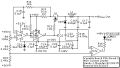
Signals
+48V / Input
+51.5V / Input
+48VLIM Out / Output
Ground
BOM
U3 - LM393
U4 - 7555, CMOS 555
Q1 - P-Channel MOSFET
Q2 - NPN, 2N2222A
D3 - Red LED, Indicator
ZD2 - 36V 5W Zener
SD9 - Shottky Diode, 50PIV 2A Min
C15,17,18,20,22 - 0.1uF
C16,21 - 220uF
C19 - 10uF
L1 - 220uH Hand Wound Torrid
R8 - 100 o Variable Trimmer
R9 - 22Ko
R10 - 2.4Ko
R11 - 10Ko
R12 - 10 o
R13 - 0.1 o 1W
R14,16 - 1Ko
R15 - 4.7Mo
Board 3 - Preregulator
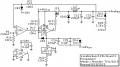
Signals
+48VLIM / Input
PreReg / Output
PS Output / Input
-3.5V / Input
Ground
BOM
U5 - LM393
U6 - 7555, CMOS 555
U7 - LM317
Q3 - P-Channel MOSFET
CR3,4 - Silicon Diode, 1N4454
ZD3 - 5.1V Zener
ZD4 - 12V Zener
SD10 - Shottky Diode, 50PIV 10A
C22,24 - 220uF
C23,25,26 - 0.1uF
L2 - 220uH, Hand Wound Torriod
R16,17,21 - 10Ko
R18 - 100Ko
R19 - 10 o
R20 - 2.2Ko
R22 - 120 o
Board 4 - Main Regulator
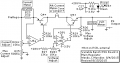
Signals
+28V / Input
-3.5V / Input
PreReg / Input
+PS Output / Output
Ground
+ DVM, Current Meter
- DVM, Current Meter
+ DVN, Volt Meter
- DVM, Volt Meter
Q4 Base
Q4 Emitter
Q5 Base
Q5 Emitter
R2 +, Current Adjust
R2 -, Current Adjust
R6 +, Voltage Adjust
R6 -, Voltage Adjust
+D4. Indicator
-D4. Indicator
BOM
U8 - 1465, Fast Linear Op Amp
Q4 - PNP Darlington
Q5 - NPN Darlington
D4 - Green LED, Front Panel
C27 - 0.1uF
R23 - 0.1 o
R24,28 - 10Ko Pot, Front Panel
R25 - 500Ko Trimmer
R26,29 - 10Ko
R27 - 13Ko
R30 - 10Ko Trimmer
R31 - 5.1Ko
I'm starting with a modular 48V 2.06A power supply. I'm thinking of using it to feed these circuits.
Basically there will not be a fixed current limit, it should boost the total current available with lower power supply voltage settings. Max voltage out will be 24V at 3A, going to almost 10A when set to 5V.
There will be an indicator that shows when the power draw exceeds the 48V Power Supply module.
I've broken it down into 4 boards, I'll probably merge the last two. I'm going to draw up some PCB layouts next.
Board 1 - On board power supply
Signals
+48V / Input
+28V / Output
+51.5V / Output
-3.5V / Output
Ground
+DVM1 PM PS / Output
-DVM1 PM PS / Output
+DVM2 PM PS / Output
-DVM2 PM PS / Output
BOM
U1 - LM317
U2 - 555
CR1.2 - 1N4454 Silicon Diodes
D1,2 - Blue LEDs
ZD1 - 15V Zener Diode
SD1-8 - Shottky Diodes, Low Power, Optional
C1,4,6,8 - 0.1uF Caps
C2 - 1uF Cap
C3 - 220uF Cap
C5 - 1nF Cap
C7,9 - 10uF Cap
C10,12,14 - 10uF Cap, Optional
C11,13 - 0.1uF Cap, Optional
XFM1 - Torrid Transformer, Hand Wound, Optional
R1 - 120 o
R2 - 56Ko
R3 - 2.7Ko
R4 - 1Ko
R5 - 10Ko
R6,7 - 330 o
Board 2 - 48V 2A Current Regulator
Signals
+48V / Input
+51.5V / Input
+48VLIM Out / Output
Ground
BOM
U3 - LM393
U4 - 7555, CMOS 555
Q1 - P-Channel MOSFET
Q2 - NPN, 2N2222A
D3 - Red LED, Indicator
ZD2 - 36V 5W Zener
SD9 - Shottky Diode, 50PIV 2A Min
C15,17,18,20,22 - 0.1uF
C16,21 - 220uF
C19 - 10uF
L1 - 220uH Hand Wound Torrid
R8 - 100 o Variable Trimmer
R9 - 22Ko
R10 - 2.4Ko
R11 - 10Ko
R12 - 10 o
R13 - 0.1 o 1W
R14,16 - 1Ko
R15 - 4.7Mo
Board 3 - Preregulator
Signals
+48VLIM / Input
PreReg / Output
PS Output / Input
-3.5V / Input
Ground
BOM
U5 - LM393
U6 - 7555, CMOS 555
U7 - LM317
Q3 - P-Channel MOSFET
CR3,4 - Silicon Diode, 1N4454
ZD3 - 5.1V Zener
ZD4 - 12V Zener
SD10 - Shottky Diode, 50PIV 10A
C22,24 - 220uF
C23,25,26 - 0.1uF
L2 - 220uH, Hand Wound Torriod
R16,17,21 - 10Ko
R18 - 100Ko
R19 - 10 o
R20 - 2.2Ko
R22 - 120 o
Board 4 - Main Regulator
Signals
+28V / Input
-3.5V / Input
PreReg / Input
+PS Output / Output
Ground
+ DVM, Current Meter
- DVM, Current Meter
+ DVN, Volt Meter
- DVM, Volt Meter
Q4 Base
Q4 Emitter
Q5 Base
Q5 Emitter
R2 +, Current Adjust
R2 -, Current Adjust
R6 +, Voltage Adjust
R6 -, Voltage Adjust
+D4. Indicator
-D4. Indicator
BOM
U8 - 1465, Fast Linear Op Amp
Q4 - PNP Darlington
Q5 - NPN Darlington
D4 - Green LED, Front Panel
C27 - 0.1uF
R23 - 0.1 o
R24,28 - 10Ko Pot, Front Panel
R25 - 500Ko Trimmer
R26,29 - 10Ko
R27 - 13Ko
R30 - 10Ko Trimmer
R31 - 5.1Ko
Last edited: