Facebook
 Google
 GitHub
 Linkedin

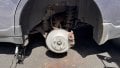
Completed a rear brake job on my 2017 Outback. It was the easiest brake job I've ever done but there was one wrinkle: The modern parking brake system ditches the old cable pulls for an electrical motor driving a worm gear to advance the caliper piston.
You need to have the computer retract the piston so that you don't destroy the mechanism when you squeeze the caliper open to make room for the new pads and rotor. So I had to buy a fancy scan tool to communicate to the car's computers. My old $10 OBD code reader device couldn't handle it.
The job was easier than back in the day mostly because of design. No more cable, no self-adjusting wheel, no springs to fight against. Inserting the new parts and holding them in place as you reassemble used to be awkward. Now it's easy - the parts are designed to ride together and hold themselves in place during assembly. Easy peasy.
By far the hardest part of the job was pounding the old rotor off. It got easier when I pre-treated the lug nut bolts with Liquid Wrench. The threads carried the penetrant to the inside surfaces of the rotor where it was 'frozen' to the hub face. Capillary action spread it all over nicely. Next time I'll do that much earlier in the process. Smarter not harder. I know some people just get a bigger hammer but I never feel comfortable doing that. The wheel bearings have to absorb some fraction of the impact and I'm not keen to add to their wear.
I always apply a thin film of anti-seize to the mating hub and rotor surfaces when I rebuild. But I've never had to re-do one of my brake jobs and so I don't know if that really makes any difference.
You need to have the computer retract the piston so that you don't destroy the mechanism when you squeeze the caliper open to make room for the new pads and rotor. So I had to buy a fancy scan tool to communicate to the car's computers. My old $10 OBD code reader device couldn't handle it.
The job was easier than back in the day mostly because of design. No more cable, no self-adjusting wheel, no springs to fight against. Inserting the new parts and holding them in place as you reassemble used to be awkward. Now it's easy - the parts are designed to ride together and hold themselves in place during assembly. Easy peasy.
By far the hardest part of the job was pounding the old rotor off. It got easier when I pre-treated the lug nut bolts with Liquid Wrench. The threads carried the penetrant to the inside surfaces of the rotor where it was 'frozen' to the hub face. Capillary action spread it all over nicely. Next time I'll do that much earlier in the process. Smarter not harder. I know some people just get a bigger hammer but I never feel comfortable doing that. The wheel bearings have to absorb some fraction of the impact and I'm not keen to add to their wear.
I always apply a thin film of anti-seize to the mating hub and rotor surfaces when I rebuild. But I've never had to re-do one of my brake jobs and so I don't know if that really makes any difference.